What You Can Expect During a Roof Replacement: A Comprehensive Guide by the Team at Premier Roofing & Exteriors
A roof replacement is often a major project for any homeowner. Understanding the process is essential to manage potential difficulties efficiently. From inspecting the roof's current condition to controlling timelines and expenses, every phase demands thorough attention. Open communication with the roofing contractors also holds significant importance. As the work progresses, unforeseen problems may emerge, requiring homeowners to adjust. By reviewing this guide, homeowners can more effectively prepare for the complexities of a roof replacement.
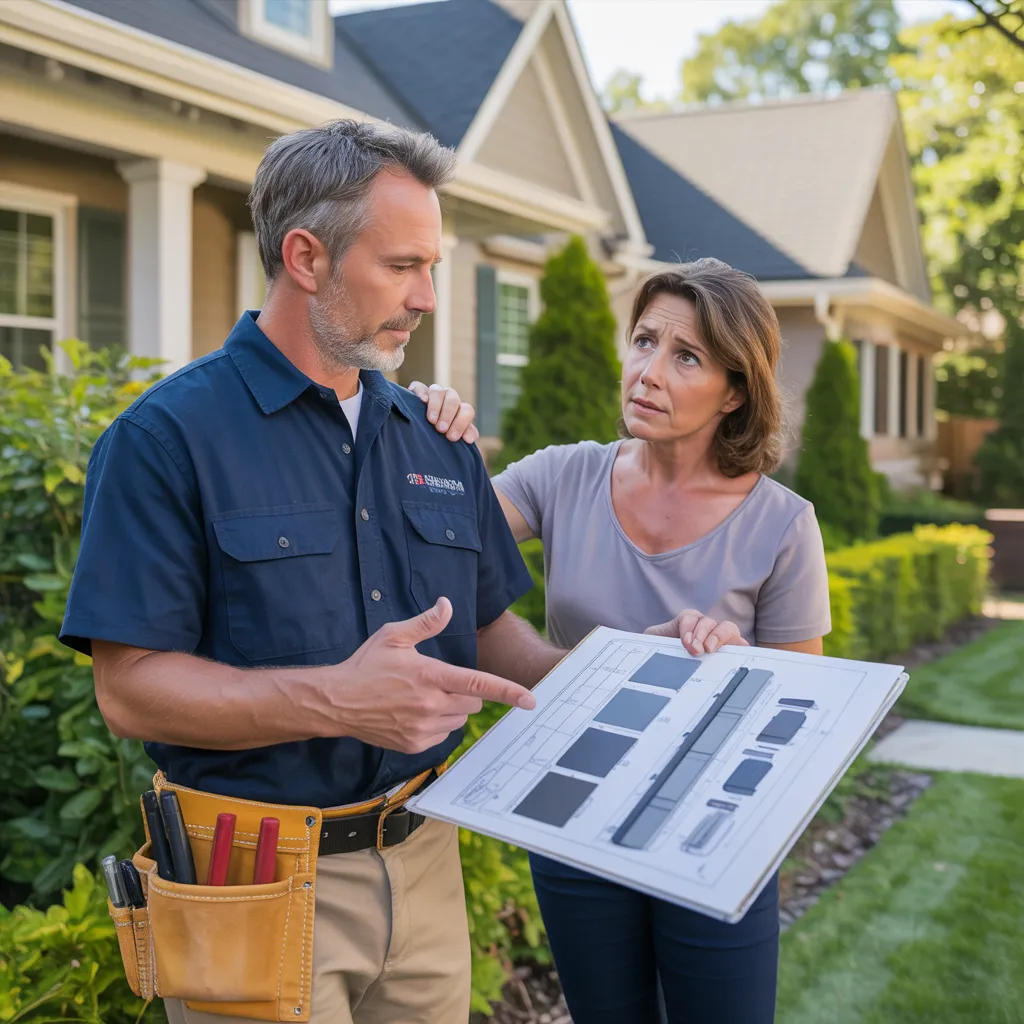
How to Identify When You Need a Roof Replacement
How does a homeowner know when their roof is in need of replacement? Several key indicators can guide this assessment. To begin with, the age of the roof is a crucial factor; most roofs have a lifespan of 20-25 years. Homeowners are advised to check for noticeable signs of wear, like missing or curling shingles, which often signal degradation. In addition, the presence of water stains or leaks in the attic or ceilings may indicate underlying concerns that demand prompt action. Granules in gutters can signal shingle degradation, while excessive sunlight entering through the roof may reveal gaps or holes. In addition, if the roof exhibits sagging, it may indicate structural problems. Regular inspections, especially after severe weather, can help identify these issues early. Through careful consideration of these indicators, homeowners are better equipped to determine if a roof replacement is needed, safeguarding the well-being and structure of their properties.
What to Anticipate During Your Roof Replacement?
Throughout a roof replacement project, homeowners can anticipate a well-organized schedule that describes each phase of the project. Preparation and safety measures are essential components, providing protection for the crew and the property alike throughout the process. Being aware of these factors helps create accurate expectations for the length and execution of the work.
Timeline Overview
A standard roof replacement project takes several days based on the roof's size and complexity. Initially, the roofing crew carries out an inspection to determine the scope of work, which typically requires a few hours. After the materials arrive, the actual replacement begins. For most homes, this stage generally takes one to three days. The team removes the old roofing material and inspects the underlying structure for damage. Any required repairs are addressed before the new roof is put in place. Adverse weather conditions may impact the schedule and cause delays. Homeowners should expect some noise and activity during the process, but contractors aim to minimize disruptions while ensuring a thorough and efficient replacement.
Safety Precautions and Preparation Steps
Homeowners ought to get ready for the roof replacement procedure by familiarizing themselves with the essential safety precautions that will be implemented. It is essential to establish a designated area for workers and materials to minimize hazards. Clear communication with the roofing crew about any concerns or specific requirements will enhance safety. Homeowners should additionally think about relocating vehicles from the surrounding area to avoid damage caused by falling debris. Keeping children and pets indoors or far from the worksite is essential for maintaining their safety. Additionally, understanding the expected noise levels and potential disruptions will help homeowners adjust their routines accordingly. By proactively addressing these safety measures, homeowners can facilitate a smoother and safer roof replacement experience.
Choosing the Best Materials for Your Roof
What key aspects should be evaluated when deciding on roofing materials? Property Premier Roofing & Exteriors owners should assess climate conditions, longevity, and overall appearance. Various materials offer superior performance in particular weather conditions; for example, metal roofs excel in snowy environments, while asphalt shingles are cost-effective for milder climates.
Longevity is another important factor to consider. Options such as slate and tile provide lasting performance but often require a greater initial investment. Property owners ought to balance these expenses against the possible long-term savings on maintenance and replacements.
Visual appeal is an important factor as well. The selected material ought to harmonize with the home's architectural design and surrounding area. Beyond that, energy-saving potential can shape material decisions; options like reflective metal can reduce cooling costs.
In addition , municipal construction codes and requirements may dictate approved materials , further guiding homeowners in their selection process . Recognizing these elements ensures a well-informed choice , which ultimately increases the residence's overall value and efficiency .
How to Get Your Home Ready for a Roof Replacement
Preparing a home for a roof replacement involves a number of important steps to ensure a successful and streamlined process. Homeowners are advised to begin by clearing the area around the home, relocating outdoor furniture, potted plants, and vehicles to ensure the roofing crew can work freely. It is also wise to safeguard windows and doors to minimize the risk of damage from falling debris.
Inside the home, homeowners should clear out or protect any belongings in the upper floors and attic to protect them from dust and debris. Property owners may want to inform neighbors about the planned project to minimize disruptions. Furthermore, keeping pets indoors or in a safe enclosure can avoid incidents during the project.
Finally, scheduling the roof replacement at a time with ideal weather conditions can greatly enhance efficiency and safety throughout the process. These measures will help ensure a smooth roof replacement outcome.
Creating a Budget for Your Roof Replacement Project
Preparing a budget for a roof replacement project calls for a comprehensive awareness of material pricing, which can change substantially based on the type of materials selected. Moreover, homeowners ought to factor in possible supplementary expenses, like permits and labor. Thorough preparation can help ensure that the project stays within budget while upholding quality standards.
Understanding Material Costs
Recognizing the costs of materials is crucial for homeowners beginning a roofing replacement project. A variety of roofing materials, such as metal, asphalt shingles, and tile, come with unique pricing and durability characteristics. Asphalt shingles are often the most budget-friendly option, while metal and tile may cost more yet provide greater longevity and energy efficiency. Homeowners should also consider the quality of materials, as premium-grade selections can lead to reduced long-term maintenance expenses. Furthermore, regional differences in pricing can impact total costs. It is important for homeowners to gather several quotes to accurately compare material expenses. Through understanding these considerations, homeowners are able to make educated decisions that match their financial plan and roofing goals, ensuring a successful project outcome.
Additional Expenses to Consider
A large number of homeowners fail to consider supplementary expenditures when planning a roof replacement project. Outside of the core material costs, multiple elements can impact the total budget. For instance, unanticipated repairs to the base structure may surface, requiring extra financial resources. In addition, the complexity of the roof's design can lead to higher labor costs, particularly for elaborate or multi-tiered roofing systems. Homeowners ought to budget for permits and inspections as well, which can vary by municipality. Additionally, disposal fees for old roofing materials and potential upgrades, such as improved insulation or ventilation, could increase the overall budget. To conclude, considering the need for temporary accommodations during the project can reduce the risk of unanticipated monetary stress. A detailed budget ought to account for these prospective expenditures for a smoother replacement experience.
Handling Your Roof Replacement Timeframe
Having a carefully structured timeline is essential for a smooth roof replacement project. Property owners should initiate the process by booking a consultation with a reliable contractor, ensuring sufficient time is set aside to go over materials, styles, and budget. Upon signing the contract, the contractor will usually deliver a timeline that covers each phase of the work, including material delivery and installation dates.
Weather factors can significantly affect the schedule, so it is prudent to remain adaptable. Property owners should also factor in the time needed for any essential permits or inspections, which can differ depending on location. Communication is essential; regular updates from the contractor help manage expectations and keep the project on track. Moreover, homeowners should prepare for delays by having contingency plans, guaranteeing that their living arrangements remain stable during the process. By carefully addressing these aspects, homeowners can notably reduce stress and ensure a smoother roof replacement process.
Planning for the Unforeseen: Tips to Avoid Common Surprises
Unforeseen obstacles frequently emerge during a roof replacement, making planning crucial for homeowners. A primary approach involves conducting a comprehensive inspection of the existing roof prior to the project. Detecting underlying concerns, such as water infiltration or structural deficiencies, can help avoid costly surprises. Homeowners should also ensure that their hired contractor is licensed, insured, and experienced to minimize the dangers linked to inadequate workmanship.
Creating a backup budget is another smart step, as unanticipated charges may emerge. Moreover, ensuring transparent communication with the roofing professionals confirms that any new challenges are tackled without delay. It is advisable for homeowners to review the weather outlook and schedule the work during a period of favorable weather, reducing the likelihood of delays. As a final point, maintaining flexibility in scheduling can support overcoming unanticipated challenges, preserving progress while easing anxiety. By following these measures, property owners can more effectively handle the unpredictability of a roofing project.
Questions We Often Receive
How Long Can You Expect a Roof Replacement to Last?
A roof replacement commonly remains effective for between 20 to 30 years, based on a number of important factors such as the caliber of roofing materials, installation practices, and environmental conditions. Routine upkeep can greatly increase its longevity, boosting both strength and functionality.
Will My Home Insurance Policy Cover the Cost of Roof Replacement?
Roof replacement costs may be covered by homeowner's insurance, depending on the policy and the cause of damage. Homeowners should carefully review their insurance policy and speak with their provider to understand specific coverage details.
Is It Possible to Stay Home During the Roof Replacement?
Homeowners are permitted to remain home during a roof replacement, but vacating the property is generally suggested for both safety and comfort. The noise, debris, and contractor activity can create a disruptive environment, which makes seeking temporary accommodations elsewhere a practical decision.
What Happens to My Landscaping During the Project?
In the course of a roof replacement, landscaping may be affected by debris, foot traffic, or equipment. Homeowners are encouraged to think about shielding flowers and plants with tarps or protective barriers, minimizing damage to their outdoor areas during the process.
How Can I Select a Trustworthy Roofing Contractor?
To select a reliable roofing contractor, homeowners should look into reviews, verify licenses and insurance, collect various estimates, and seek recommendations from trusted sources. A thorough assessment of past work can also offer meaningful information into quality and reliability.